
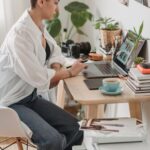
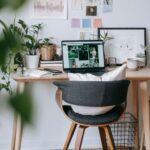

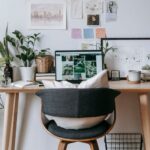
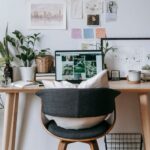
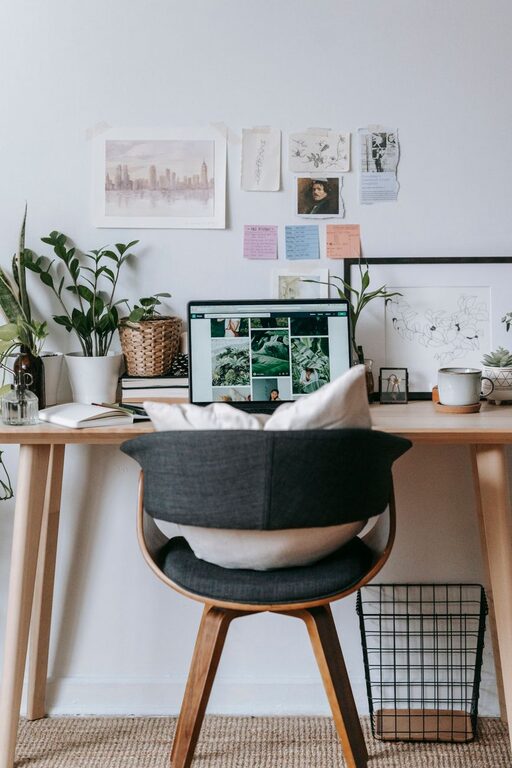
Creating a home office that feels both cozy and functional is essential for staying productive and comfortable while working from home. Whether you have a dedicated room or just a small corner, thoughtful design can make a big difference. In this post, we’ll explore practical tips to help you design a space that encourages focus, promotes well-being, and reflects your personal style.
Choose the Right Location
Finding the ideal spot for your home office is the first step. Consider these factors:
– Natural Light: Position your desk near a window to take advantage of natural light, which helps reduce eye strain and boosts mood.
– Quietness: Select a space away from household noise, if possible, to minimize distractions during work.
– Space Availability: Ensure you have enough room for your desk, chair, and any storage solutions you need.
If you lack a separate room, look for underused spaces like a corner in the living room, a section of your bedroom, or even a well-lit nook.
Invest in Comfortable and Ergonomic Furniture
Your comfort is key to maintaining focus. Consider the following:
– Desk: Choose a desk with enough surface area for your computer, notebook, and other essentials. Adjustable desks or standing desks can offer flexibility.
– Chair: Invest in an ergonomic chair that supports good posture and reduces back and neck strain.
– Accessories: Items like adjustable monitor stands, keyboard trays, and footrests can improve ergonomics and reduce fatigue.
Comfortable furniture can make long work hours more manageable and help prevent common aches.
Organize with Smart Storage Solutions
Clutter can be a major distraction. To keep your space organized:
– Shelves and Cabinets: Use wall shelves or storage cabinets to keep documents and supplies within reach but out of sight.
– Drawers and Bins: Desk drawers or storage bins help compartmentalize small items like pens, cables, and chargers.
– Cable Management: Use clips, ties, or cable boxes to organize cords and prevent tangling.
An organized workspace supports productivity and creates a calm atmosphere.
Personalize Your Space
Adding personal touches can make your office more inviting:
– Decor: Add artwork, plants, or decorative items that reflect your taste and inspire creativity.
– Colors: Choose calming or motivating colors for your walls or accessories. Soft blues, greens, or neutral tones work well.
– Lighting: Besides natural light, include task lighting like desk lamps with adjustable brightness to reduce eye strain during evening hours.
Balance personalization with simplicity for a space that’s both soothing and professional.
Optimize Technology and Connectivity
Efficient technology setup is crucial for a functional office:
– Reliable Internet: Ensure your workspace has strong Wi-Fi or a wired connection to avoid interruptions.
– Hardware: Invest in quality peripherals such as a good monitor, keyboard, mouse, and headphones.
– Backup Power: A surge protector or uninterruptible power supply (UPS) can protect your equipment and data.
Keeping technology organized and updated improves your workflow and reduces stress.
Maintain Healthy Habits
Your home office should encourage healthy work habits:
– Break Area: Create a small space nearby to take breaks, stretch, or enjoy a snack away from your desk.
– Air Quality: Keep fresh air circulating by opening windows when possible or using an air purifier.
– Movement: Consider reminders or apps that prompt you to stand, stretch, or walk regularly.
A workspace that promotes well-being supports long-term productivity.
Keep It Flexible
If you need to share your space or use it for multiple purposes:
– Modular Furniture: Use pieces that can be easily moved or reconfigured.
– Foldable Desks or Chairs: These save space when not in use.
– Storage Solutions: Keep all work-related items stored neatly when the office doubles as a guest room or hobby area.
Flexibility ensures your home office adapts to your changing needs.
—
Final Thoughts
Creating a cozy and functional home office is about balancing comfort, organization, and inspiration. Start with the right location and invest in ergonomic furniture, then personalize and organize your space to suit your workflow. With attention to detail and regular upkeep, your home office can become a welcoming spot where productivity naturally flourishes.
Remember, the best home office is one that feels good to you every time you walk in. Happy designing!